I adore haiku
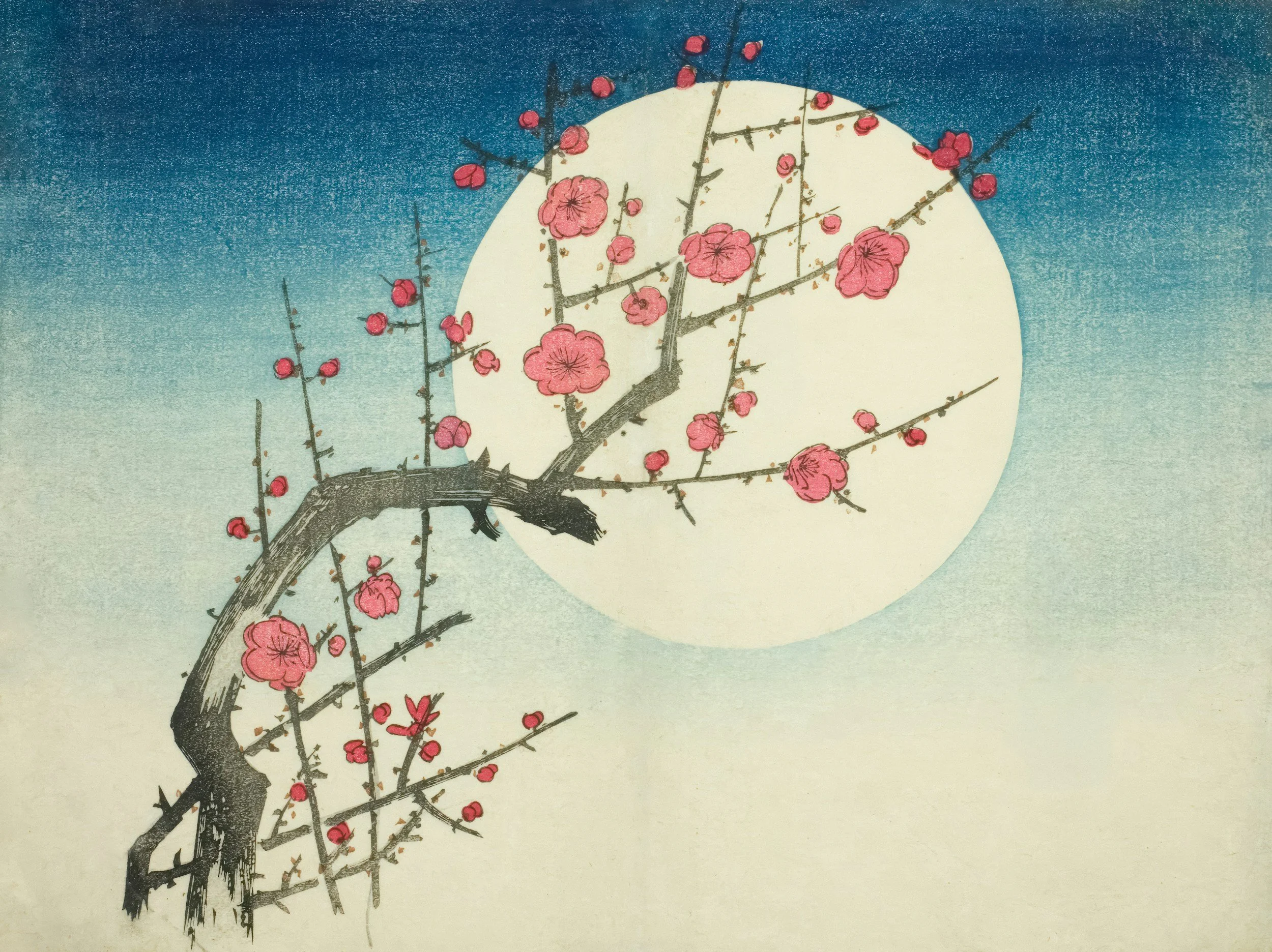
How We Rediscovered the Charms of Haiku
06/11/2021 Spectator magazine
One of the more encouraging developments of the past year and a half has been the number of us who instead of turning to drink, have been turning to haiku.
Haiku hashtags have been popping up on social media since the start of the pandemic. It turns out that 17 syllables in that classic five-seven- five formation are just what we need when we’re trying to express how we feel about these sad, unsettling times.
Facebook, Twitter, Instagram and the rest have proven to be the perfect medium for this short form poetry.Of course, the quality is mixed. Some of the hashtags attract efforts that are less narrow road to deep north than quick jab to left arm.
But the same could be said of any open entry poetry competition. Those who spend a little time spent reading, for example, the staff haiku page on the website for Duke University Hospital, North Carolina, will be rewarded with poems that are poignant, profound and sometimes just plain sad. This was the contribution from the hospital chaplain, Ashley Acken:
Holds up the i-Pad.
Family says goodbye from screen.
Prayers. Last breaths taken.
National Public Radio’s open invitational asked people to focus on social distancing and listener Jesse Glucksman responded with a Haiku that described his daily commute.
Sniffling and sneezing
My head floats, my mind fogs over Promise it’s a cold
The rediscovery of the charms of haiku, tanka, katauta … etc is not just an American phenomenon. The British Haiku Society has reported a spike in membership. The editor of their journal, Hedgerow, Caroline Skanne says this is a definite moment. ‘Many people have been turning to haiku in lockdown and I’ve received a significantly increased number of submissions for Hedgerow. The interest and enthusiasm is especially marked among the young – secondary school students and younger.’
She hopes that a fleeting interest might be turned into something more lasting and valuable, namely a better understanding of what the poetry is about and a commitment to take it seriously and teach it properly. ‘Although haiku is taught as part of the curriculum, most teachers still seem to lack a firm grasp of what haiku is and can be. There is still too much focus on form rather than content.’
Like many, I have knocked out the odd haiku in my time but became borderline obsessed when I was trying to come up with a way of colouring in a character in my most recent novel, a not entirely unsympathetic psychopath called Jags. One of his several quirks is a fondness for thinking up haikus in between doing unthinkable things to people.
A blinding blue sky
Convicts out on day release
Planting wild poppies
I was vaguely aware that Ian Fleming had used the same trick to memorable effect in You Only Live Twice. Bond himself wrote a haiku-esque poem for his friend Tiger Tanaka.
You only live twice
Once when you’re born Once when you
look death in the face
It wasn’t until I spoke to the British Haiku Society and that walking encyclopaedia of crime writing, Mike Ripley, that I realised quite how many writers had attempted similar. The hero of Edmund Crispin’s classic The Moving Toyshop is a poet. Judge Dee, the 7th Century Chinese detective created by Robert Van Gulik is plagued by a poet in The Hunted Monastery. Michael Innes gave us a detective called John Appleby who quotes poetry at every opportunity in The Secret Vanguard and of course there is the mighty P.D. James’ wonderful creation – the poet slash detective, Adam Dalgliesh.
Finally, there was J.D. Salinger who penned one of most memorable fictional haikus for Seymour Glass in Franny and Zooey.
The little girl on the plane
Who turned her doll’s head around
To look at me.
Uncovering fictional figures with a fondness for haiku and poetry more generally has proven to be a delightful rabbit hole to tumble down. I can recommend it. Spectator readers of course will have examples of their own and I would love to hear them